Sustainability
Comparing Reusable Water Bottles for Day Walks: Steel, Glass, and Soft Flasks
The first sip of the day is usually the one you notice. Somewhere on a shaded stretch of trail you reach for the bottle, tip it back, and taste either clean cold water or a faint reminder of the electrolyte mix you filled it with three weeks ago. On a day walk — a few hours out, a picnic, a loop through woods and back before dinner — the bottle is the piece of kit you handle most and think about least. Steel, glass and soft flasks each solve the problem differently, and the right answer has less to do with marketing than with how you actually walk.
Steel: The Bottle You Stop Thinking About
Stainless steel is the default for good reason. A single-wall 750 ml bottle weighs roughly 300 to 400 grams empty — noticeable in a small pack, rarely a burden on a half-day walk. Insulated double-wall versions add another 150 grams or so and buy you hours of genuinely cold water on a hot afternoon, which plenty of walkers decide is worth the extra weight. If you walk in summer heat with a pack that has a side pocket, insulated steel is the least fussy way to carry water that still tastes good at hour four.
Steel shrugs off the inside of a rucksack. It survives being dropped on rock, wedged into a bike cage, and knocked off a picnic table. The trade-off is cosmetic and occasionally practical: a dented bottle can wobble on a flat surface, and a badly creased base may never stand straight again. Wide-mouth models are easier to fill from a tap, easier to add ice to, and much easier to scrub with a brush.
Taste depends almost entirely on cleanliness. Clean steel tastes of nothing at all. Leave sweet tea in it for two days in August and the silicone seal — not the steel — will hold the smell. A bottle with a removable, washable lid is worth choosing over one with a fiddly push-pull cap you can never quite get clean.
Glass: The Best Taste, and the Most Care
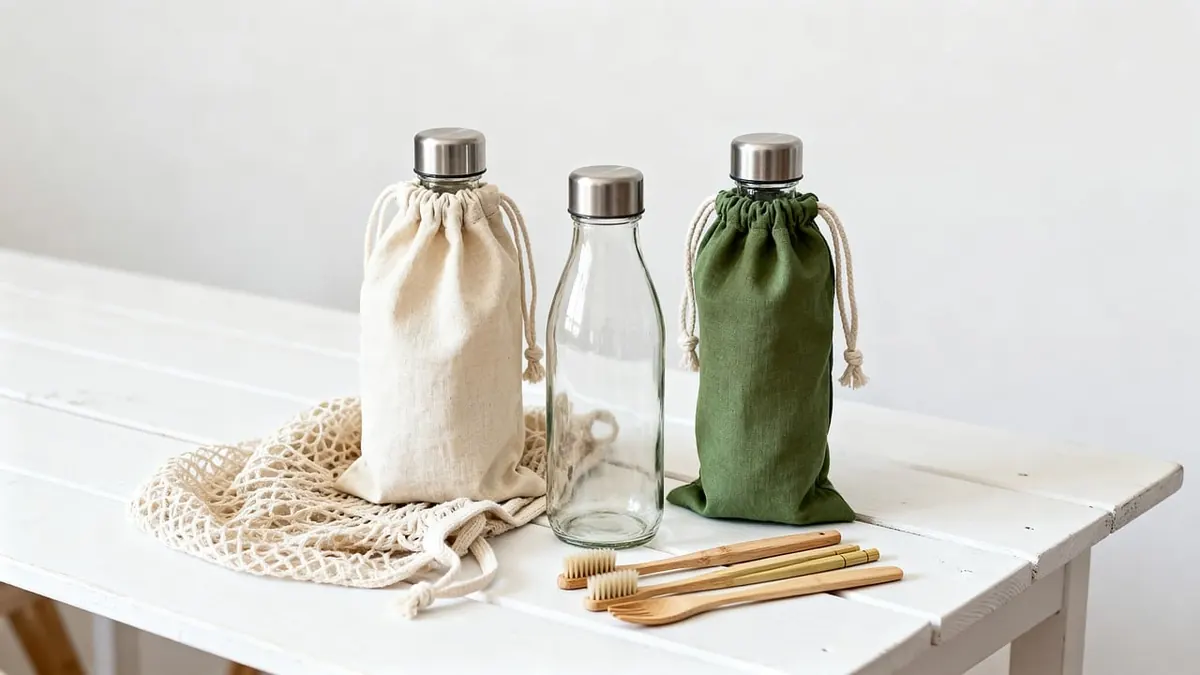
Glass is for people who notice water. It adds nothing to the flavour, it never holds onto yesterday's coffee, and you can see at a glance whether the inside is actually clean. A 750 ml glass bottle in a silicone sleeve typically weighs 400 to 500 grams empty — heavier than steel of the same volume, and far heavier than a soft flask.
Then there is the obvious. Glass breaks. A padded sleeve protects against knocks in a pack, but it will not survive being dropped on granite or swung against a gatepost. It also dislikes sudden temperature changes, so avoid pouring boiling water into a cold bottle, and never fill one and put it in the freezer.
Where glass earns its place is the gentler day out: a two-hour walk to a picnic spot, a car-based afternoon, a lunch break in a city park where refills are easy and the pack stays on your back rather than on the ground. On scree, in a scramble, or on a long exposed ridge, leave it at home.
Soft Flasks: Almost Weightless, Not Indestructible
Soft flasks are the ultralight answer. A 500 ml flask often weighs well under 100 grams empty, and it collapses as you drink, which means no sloshing and no wasted space once it is half empty. They slip into a running vest, a hip belt pocket or the mesh side pocket of a daypack, and a bite valve lets you sip without stopping.
The compromises are real. You have to squeeze, which is awkward with gloves on or when you are breathing hard on a climb. The material can pick up flavours, especially from sugary mixes, so a flask used for electrolyte drinks tends to stay a savoury flask for life — keep one for water only. Cleaning takes longer: narrow necks, awkward corners, and a proper air-dry with the cap off. And after a few seasons of folding along the same lines, seams and corners are where pinholes appear.
Side by Side: The Four Things That Matter
- Weight: Soft flask, clearly. Then single-wall steel, then insulated steel, then glass. On a flat three-hour walk the difference barely registers; on a hilly ten-mile day with a light pack, it does.
- Durability: Steel wins. Glass loses to anything hard. Soft flasks last years with care but degrade at the seams and cannot be repaired.
- Taste: Glass, then clean steel, then soft flask. A rinsed flask is fine; a neglected one tastes of whatever it held last.
- Maintenance: Steel is the easiest — brush, rinse, dry, done. Glass is easy to clean but needs protecting. Soft flasks ask for the most attention and the longest drying time.
Cleaning Routines That Actually Get Done
Most bottle smells come from one habit: closing a damp bottle and putting it in a cupboard. Whatever you carry, the routine is the same and takes about a minute.
- Empty and rinse it the same evening, before it goes in the dishwasher or the drying rack.
- Once a week, wash with warm water, a drop of washing-up liquid and a bottle brush, paying attention to the threads and the seal.
- For staining or lingering smells, soak with a spoon of bicarbonate of soda in warm water, then rinse twice. Follow the manufacturer's guidance before using anything stronger.
- Dry upside down with the cap off, somewhere with airflow — not sealed in a cupboard.
- Store with the lid loose, never screwed tight onto a damp bottle.
Choosing for Your Own Walks
If your typical outing is two to four hours on paths and tracks, a single-wall steel bottle of around 700–800 ml is the simplest thing that works. Add a second small flask in summer. If you walk in heat or leave the house at midday, insulated steel justifies its weight.
If the walk is short, gentle and ends at a picnic blanket, take glass and enjoy water the way it should taste. If you run, fastpack or move fast with a vest, a soft flask is the natural companion — but carry a small hard bottle too, so you have something to fill at a tap and something that will not leak onto a spare layer.
Two final practical notes. Refilling from streams and taps depends on local advice and your own comfort level; where the source is uncertain, treat the water or carry it from home. And if you have any health condition that affects how much you should drink, ask a professional rather than copying what works for someone else on the trail.
Photo: CreativesMart / Pixabay
Related Articles