Environment
How to Create a Firefly-Friendly Garden on a Small Balcony
A firefly on a city balcony is a small event: one green-gold blink against the rail, then another. You do not need a meadow to make that happen. You need a patch of darkness, a few plants with purpose, some damp shelter, and water that does not become a mosquito nursery. Fireflies are beetles, not flies, and their needs are modest. A balcony will not guarantee them, especially if none live nearby, but it can become a useful stopover—and a better place to sit after sunset.
That last point is worth repeating: a firefly-friendly balcony is not a wildlife exhibit. It is a series of small adjustments that make the night less hostile to insects. You are not trying to force fireflies to appear. You are trying to remove the things that make a balcony useless to them—glare, dry pots, bare soil, pesticides, and constant disturbance—and add a few things that make it plausible. On a small balcony, that is enough of a project.
Begin With Darkness
Light is the first thing to fix. Fireflies use their own bioluminescence to find mates, and artificial light can drown out those signals. It can also make the balcony less inviting for the moths and other insects that share the same dusk hours. You do not have to live in total darkness. You do need to be deliberate.
- Turn off unnecessary balcony lights after dusk. If you need light to move safely, use a small, warm-white bulb—around 2700K or lower—rather than a bright white or blue-heavy one.
- Shield the fixture so the light falls downward onto a table or step, not outward into the garden air.
- Put timers or motion sensors on decorative lights, and keep string lights off during the warm evenings when fireflies are active.
- Close curtains or blinds behind glass doors. Indoor light spilling onto the balcony is still light pollution.
- Choose one dark corner and leave it alone. That corner is the habitat; treat it as a miniature night meadow, not a place for the brightest pot or the broom. A little untidiness there is a feature, not a failure.
A single bright porch light can be surprisingly powerful. It may not look like much from inside, but from the point of view of a beetle crossing a courtyard, it can turn a dark railing into a confusing glare. If you share the balcony with neighbors, explain what you are doing before you start switching things off. Most people are happy to hear that a darker balcony is also a calmer one.
Darkness is not an absence of design. On a balcony, it is the first design decision.
Plant for Cover, Not Just Color
Fireflies need structure. The adults need places to rest and retreat during the day, and the larvae—which live in soil and leaf litter—need damp cover and a supply of small prey such as slugs, snails, and worms. A row of neat petunias may look cheerful, but it does little for a beetle. A mix of grasses, low foliage, and a few flowering plants does much more.
You do not need a lot of space. Three or four containers can create a layered habitat: taller grasses at the back, a fern or sedge in the middle, and low groundcover around the edges. Use regionally native plants when you can, because they are more likely to support local insects without extra fuss. Good candidates include native grasses and sedges, ferns, mosses, low groundcovers, and late-spring-to-summer flowers such as asters, goldenrod cultivars suited to containers, coneflower, or other locally appropriate bloomers. Avoid invasive species and plants that demand constant spraying.
- Use a mix of heights so insects can move from pot to pot without crossing open, exposed space.
- Choose regionally native plants when possible, and ask a local nursery what supports insects in your area.
- Let some pots get a little loose. A few spent stems and overlapping leaves provide shelter.
- Include flowers that bloom in late spring and summer, when fireflies are most active in many regions.
- Keep plants healthy with compost and careful watering rather than broad-spectrum chemicals.
Do not tidy too much. A balcony that is swept bare every weekend is less useful than one with a little leaf litter and a few seed heads left standing. The goal is not chaos; it is a small, managed layer of cover that feels like the edge of a meadow rather than the surface of a windowsill.
Make a Damp, Hidden Layer
Moisture is where many balcony firefly plans succeed or fail. Firefly larvae are not creatures of dry, baking potting soil. They need damp conditions and organic matter. Balconies dry out fast, especially in wind and sun, so you have to create a little humidity near the ground without turning the whole space into a swamp.
- Mulch containers with leaves, compost, or coir to slow evaporation and keep the soil surface cool.
- Leave a shallow tray of wet pebbles in a shaded corner. It offers dampness without open standing water.
- Place a few flat stones or pieces of bark near the pots so insects have shelter close to the soil.
- Keep a corner of leaf litter and small twigs. It is not mess; it is habitat.
- Group pots together. Clustered containers hold moisture better than isolated ones and create a more protected microclimate.
A Simple Shelter Stack
If you want a quick shelter feature, use an overturned clay pot with a small gap at the base, or stack a few stones and pieces of bark in the dark corner. Keep it low, keep it damp, and resist the urge to move it every time you water. Fireflies and other insects need stable cover more than they need novelty.
Water Without Breeding Mosquitoes
Water is the trickiest part of a balcony habitat. Fireflies do not need a decorative pond, and a stagnant saucer is more likely to produce mosquitoes than fireflies. If you add water, keep it shallow, keep it moving or refreshed, and use biological mosquito control where appropriate.
- Refresh shallow dishes every day or two. A quick rinse and refill is better than a long-standing puddle.
- Use Bti—a biological larvicide—in any water feature that cannot be emptied regularly. Follow the label and keep it away from pets and children as directed.
- Keep saucers under pots from becoming stagnant. Empty them after rain, or fill them with pebbles so water sits below the surface.
- Skip bug zappers. They kill many insects, including fireflies, and do not solve a mosquito problem.
- If you use a small fountain, keep it moving and clean. Moving water is less likely to become a breeding site.
A balcony pond should be a damp refuge, not a standing puddle with good intentions.
Skip the Chemicals
This is not a small point. Fireflies and their larvae sit low in the food web. Pesticides can kill them directly, and herbicides can remove the cover they need. Even “natural” sprays can be harmful to insects if used carelessly. Use hand removal, water, compost, and better plant placement before you reach for a bottle.
- Avoid broad-spectrum insecticides, especially on flowering plants and in the evening.
- Do not use bug zappers or electric insect killers on the balcony.
- Keep fertilizer simple and slow-release. Too much richness can make plants floppy and disease-prone.
- Accept some chewed leaves. A perfectly pristine balcony is usually a chemically managed one.
Think About Neighbors, Weather, and Timing
A balcony is a shared edge. Your dark corner may face a neighbor’s security light, or your plants may catch the wind from a busy street. That is part of the challenge. Work with what you have: shelter the pots behind a screen or railing, group them where they receive afternoon shade, and keep the darkest corner as far from stray light as possible.
Fireflies are also seasonal. In many places they are most active on warm, humid evenings from late spring into summer. Do not expect results on the first night, or even the first month. Watch the balcony after sunset, note what visits, and give the habitat time to settle. If fireflies already live nearby, your balcony may become a stepping stone. If they do not, you may still create a better place for moths, beetles, and other night insects—and that is a real result.
A Small Balcony Plan
For a balcony of roughly two by one meters, try this simple arrangement:
- Choose one corner that can stay dark and relatively undisturbed. That is the habitat corner.
- Place a tall grass or sedge at the back, a fern or low shrub in the middle, and a low groundcover at the front.
- Add a shallow pebble tray and a small shelter stack of bark or stones near the pots.
- Audit the lights. Shield or switch off anything that shines outward after dusk.
- Stop using insecticides and bug zappers. Let a little leaf litter stay.
Then leave it alone for a season. A firefly-friendly garden on a small balcony is not built in a weekend. It is created by repetition: dark evenings, damp soil, layered plants, and fewer chemicals. If one green-gold blink appears against the rail, you will know the balcony has become part of the night rather than a barrier to it.
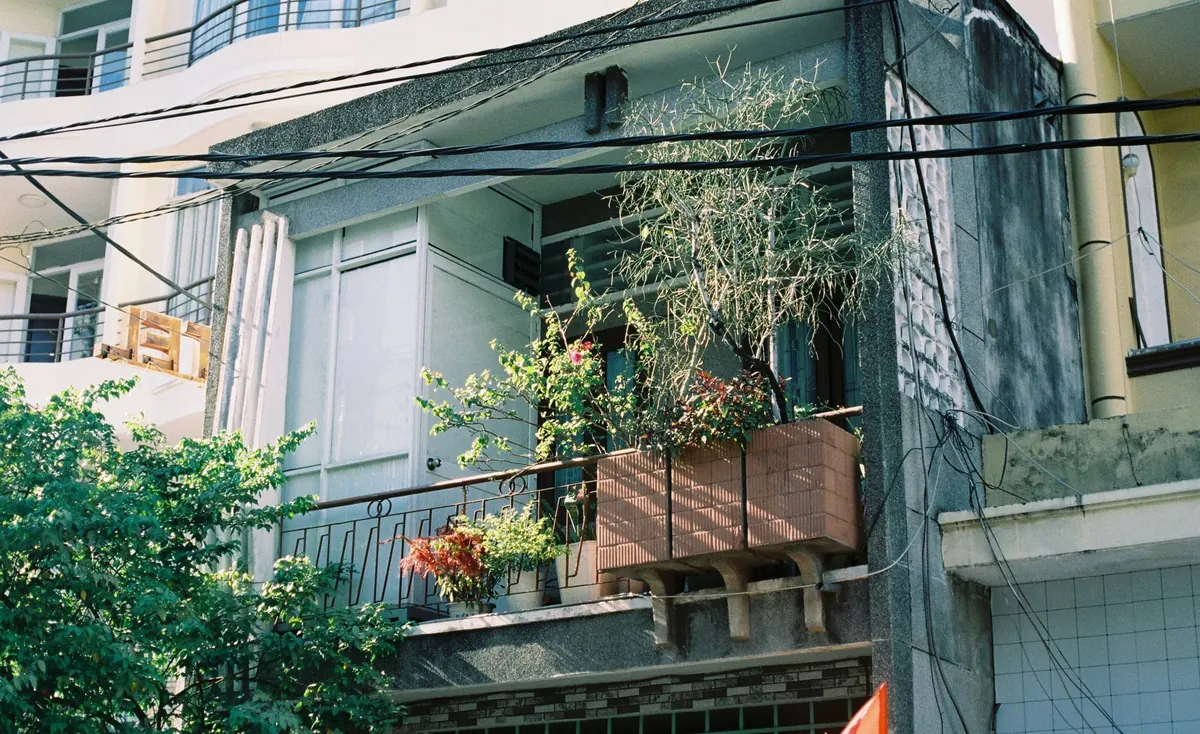
Photo: Thanh Lâm / Pexels
Related Articles