Lifestyle
7 Common Mistakes to Avoid When Starting a Nature Journal
The first page is the hardest. The notebook is new, the pencil is sharp, and there is a wren on the fence doing something worth recording — and you hesitate, because you are not sure how it should look.
That hesitation is where most nature journals quietly stall. Not from a lack of interest in the outdoors, but from a handful of small habits that turn the pages into homework. The seven mistakes below are the ones that show up most often, and each comes with a workaround you can try this week. None of them need expensive kit, artistic talent, or a bigger block of free time than the one you already have.
Mistake 1: Waiting for the perfect notebook
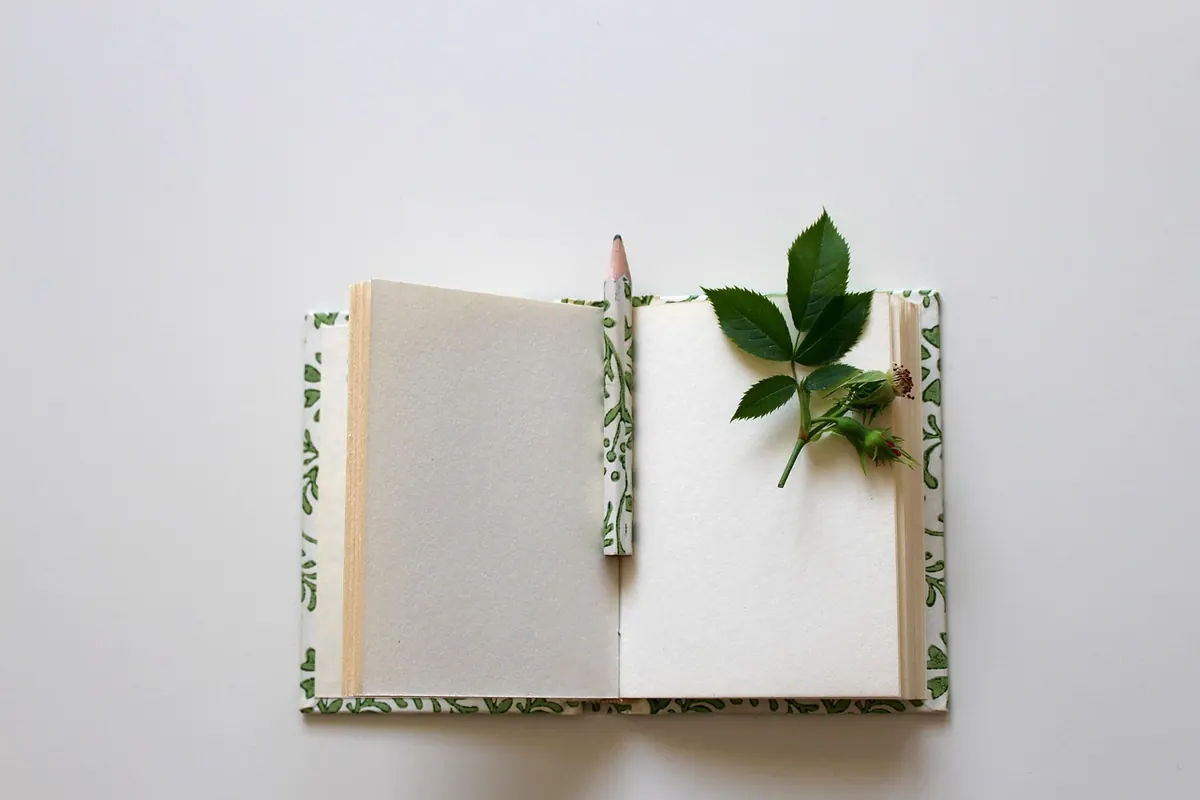
The hardback with the thick cream paper stays in its wrapper for months. Meanwhile the walk happens, the light shifts, and nothing gets written down. Perfectionism rarely announces itself; it usually looks like preparation. You compare paper weights, buy a second pencil case, and read one more guide to journaling — anything but the first line.
Use the cheapest notebook you can find and give yourself permission to spoil it. Write “field copy” on the front, number the pages badly, and start an entry halfway through so the first page cannot intimidate you. If the good one is already on the shelf, keep it for work you finish at home and carry a pocket-sized notebook outdoors instead — something that bends in a coat pocket and does not mind a little rain. A journal that is with you beats a beautiful one at home.
Mistake 2: Skipping the details that make an entry useful
Six months from now, “saw a heron, lovely walk” will tell you almost nothing. You will not remember which pond, what the light was doing, or whether the bird was fishing or simply standing there. The bones of a genuinely useful entry take about twenty seconds:
- Date and rough time — “early, before work” is fine
- Place, specific enough that you could return to the same spot
- Weather and wind, described in your own words rather than an app’s icon
- What you were doing: walking the dog, sitting on a step, waiting for a bus
- The first thing you noticed, before you started looking properly
Then add one odd detail — a smell, a sound, a colour that does not quite have a name. Those are the lines that bring the day back. If you only ever write “pleasant”, you are writing a mood, not a record.
Mistake 3: Writing conclusions instead of observations
“The birds seemed happy” is a conclusion. “Two blackbirds chased each other through the hedge three times, then both went quiet” is an observation, and it is worth ten conclusions. New journalers often reach for meaning too quickly, partly because describing exactly what is in front of you is harder than summarising it.
Try this: write only what you could photograph or measure, then put interpretation on a separate line and mark it as a guess. A question mark will do. Guess: same male as last week? Nest somewhere in the ivy? That small separation keeps your records honest and makes them more useful later, because you can see what you actually saw rather than what you assumed.
Mistake 4: Chasing finished drawings
A page of half-finished sketches is a working journal. A blank page waiting for a proper drawing is not. The most common sketching problem is scale: people try to fit a whole oak in full leaf onto a small page, give up after fifteen minutes, and decide they cannot draw. The goal in a nature journal is not a finished picture. It is a note to yourself with a shape in it.
What to draw instead
- A single leaf, or the flare of a trunk where it meets the ground
- One branch, cropped by the edge of the page
- A thumbnail the size of a postage stamp, done in two minutes
- The same tree on four different days, rather than once, beautifully
Set a timer and stop when it goes, even mid-line. Labels do the rest of the work: an arrow with the words “new growth here” is worth more than careful shading. If the sketch goes badly, write the date beside it anyway. Bad drawings age surprisingly well.
Mistake 5: Recording only the spectacular
If you wait for kingfishers and hilltop sunrises, the journal fills very slowly. The ordinary material is what makes these notebooks worth keeping: the same street tree every week, the first wasp at the window in March, the way a puddle refills after rain. Repetition is where the interest hides, because you cannot notice change without a baseline.
Pick one small patch — a garden corner, a stretch of canal path, the route to the shop — and go back to it. Two entries about the same place a fortnight apart will teach you more than a dozen scattered pages from a holiday. Note what is missing as carefully as what is present. The absence of the swifts in late August is an observation too.
Mistake 6: Writing for an audience, and punishing yourself for gaps
The imagined reader
Somewhere in the first month the handwriting gets neater, the sentences get funnier, and the journal stops being yours. Writing for a reader — even a friendly one — pulls your attention off the hedge and onto the prose. The fix is unglamorous: keep the first twenty pages private, write badly, use shorthand, let the ink smudge. Nobody is marking it. If a page turns out to be interesting later, you can always write it up properly somewhere else.
The missed day
Daily entries sound disciplined and usually end in a three-week gap followed by guilt. A nature journal is not a streak. Weekly is plenty; seasonal is better than nothing. If you miss a month, resist the urge to reconstruct it from memory and start from today — noting the gap honestly, “nothing written since the frosts”, is part of the record. Keep the notebook where the walk begins, by the door or in the coat pocket, and let the first catkins of February do the persuading.
Keeping it going: a ten-minute routine
Keep the whole thing small enough to do when you are tired and the weather is turning.
- Before you leave, check you have a pen. One pen, one notebook, nothing else to manage.
- On arrival, sit for sixty seconds without writing. Listen first.
- Write three lines: what you can hear, what has changed since last time, one detail you would otherwise forget.
- Sketch one thing for five minutes and label it.
- Finish with a question for next time — “is the nest still there?” — so the next entry has somewhere to begin.
Once a month, spend fifteen minutes reading back. Mark the entries that surprise you, and the ones where your handwriting falls apart because you were writing quickly. Those are the pages doing their job, and the strongest argument for keeping the notebook scruffy, unfinished and within reach.
Photo: Monfocus / Pixabay
Related Articles