Sustainability
Checklist for Planning a Low-Waste Weekend Hike in the Italian Countryside
A weekend hike in the Italian countryside rarely goes wrong because of the mountain. It goes wrong because of the pack. The bruised peach leaking into a paperback, the water bottle that turned out to be a single half-litre, the sandwich wrapper with nothing to do once the sandwich is gone. Planning a lighter trip is mostly a matter of sorting these small things out at the kitchen table on Friday evening, before the train or the car or the early alarm. What follows is the checklist I use, adapted for a day or a weekend in the hills, and written for the kind of hiker who would rather carry a cloth bag than fish a plastic one out of a hedge.
Start With the Route, Not the Gear
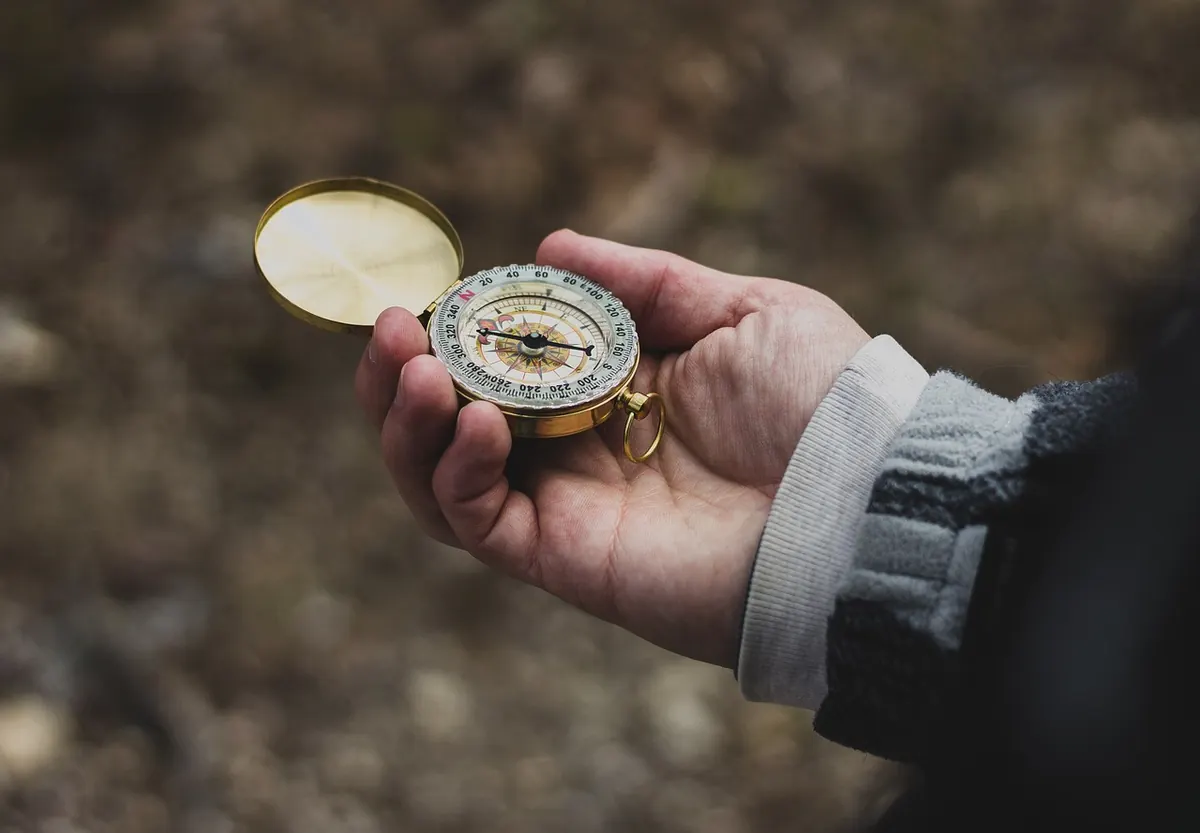
Before anything goes into a rucksack, look at the map and answer three questions: where will you walk, how long will it take, and where might you refill water or buy something to eat. In the Italian countryside the second question is often generous — many villages have a fountain, and even a small bar will fill a bottle if you buy a coffee. But not always. Some ridge routes in the Apennines have nothing for hours, and lowland paths through farmland can pass nowhere at all.
Read the forecast properly, including wind and the afternoon thunderstorm pattern that builds over the mountains in late spring and early summer. Check whether the trail passes through a village with a shop, a rifugio, or a trattoria where lunch is plausible. If it does, you can carry less food and less packaging, which is both lighter and less wasteful. If it doesn't, you plan a lunch that comes in edible or reusable wrapping.
One more thing: tell someone where you're going and when you expect to be back. It costs a message and it's the most useful safety habit there is on a solo walk.
Food That Comes Home as Compost, Not Trash
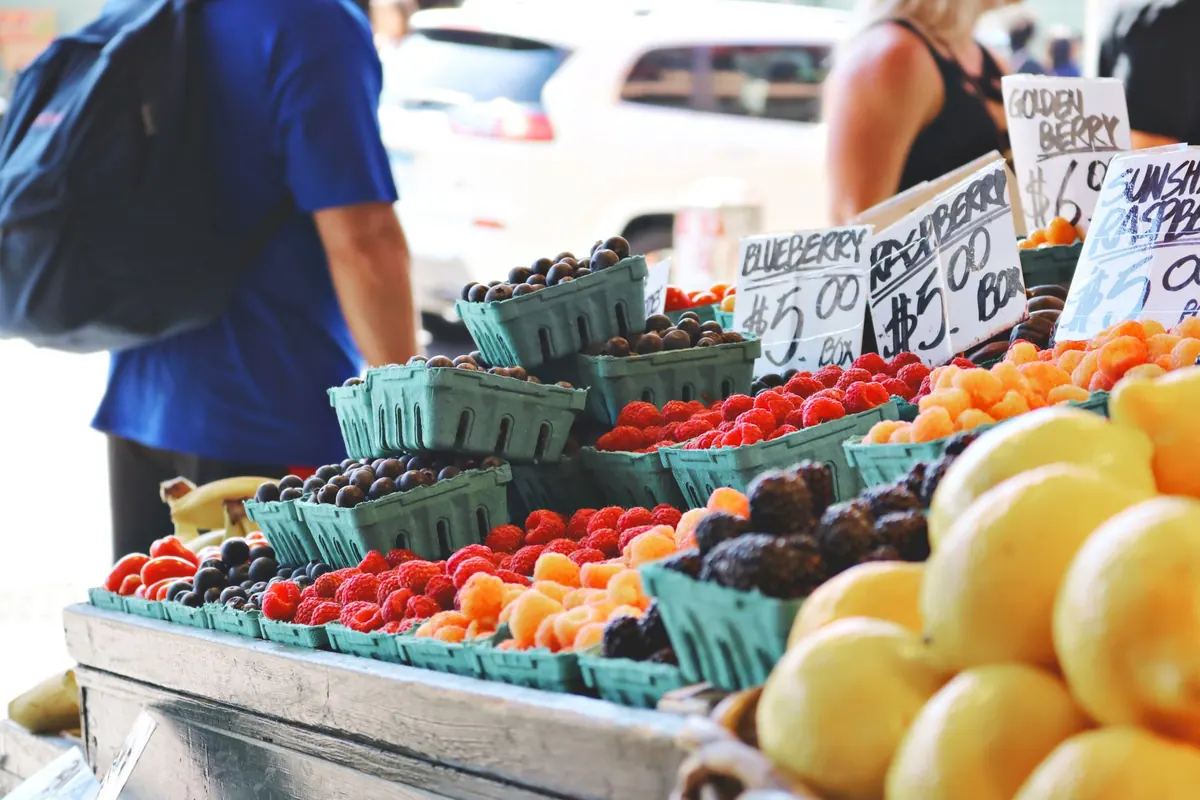
The easiest way to cut waste on a hike is to buy food that was never packaged in the first place. A loaf of country bread goes into a cotton bag. A piece of pecorino or a wedge of aged cheese can be wrapped in a beeswax cloth or simply in the paper the shop gave you, reused. Tomatoes, apples, oranges, fennel and nuts all travel well naked. If you buy from a bulk shop at home, decant into small containers you already own rather than buying snack-size anything.
Here's a lunch that has served me well on many a Saturday, and which generates roughly one small compostable scrap:
- Half a loaf of pane casereccio, sliced at home, in a cloth bag
- A hard cheese and a handful of olives from a deli counter, in a small lidded tin
- Two tomatoes and an apple, loose in the pack
- Almonds or walnuts from a jar, in a cloth pouch
- A refillable bottle of water, plus a small metal cup if you like tea
A word on scraps: orange peel, apple cores and bread crusts do not belong on the trail. They decompose slowly in dry conditions, they draw animals to the path, and they introduce food that isn't native to that patch of ground. Carry them out — a small lidded jar or a stuff sack handles wet scraps without soaking your bag — and put them in the compost at home. It's a strange habit for the first hour and completely automatic by the third walk.
Water: The Bottle Question
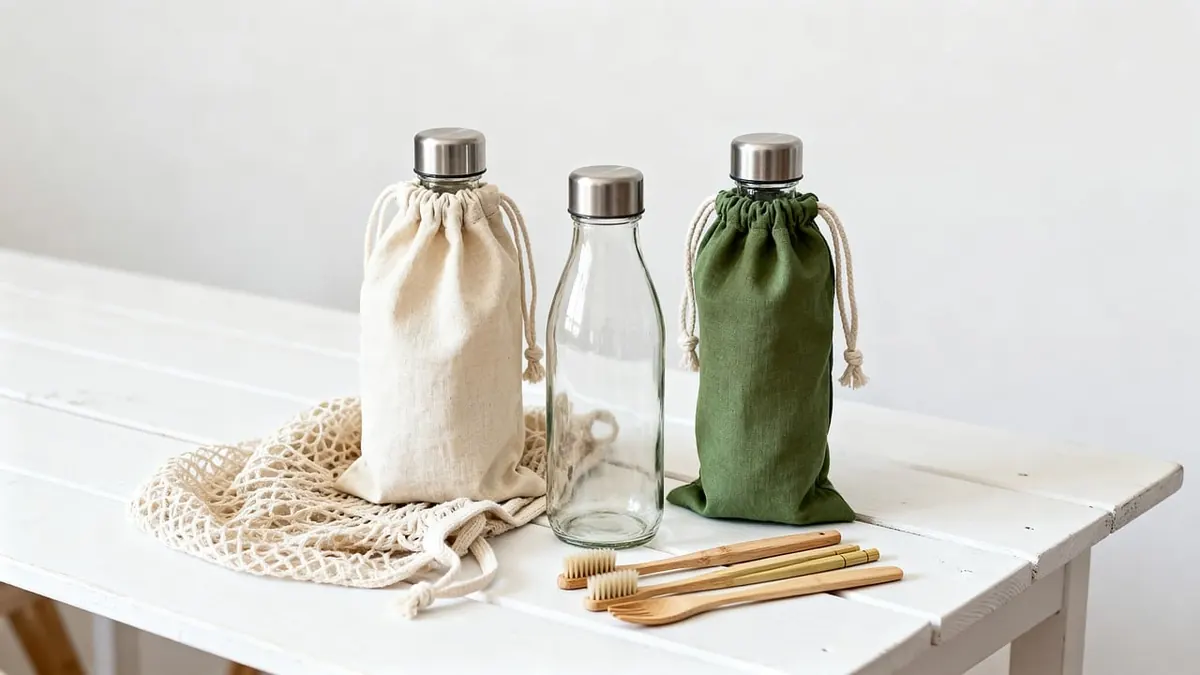
Take a bottle you actually like drinking from, because you'll drink more. Two bottles of around 750ml each is a sensible starting point for a moderate day in mild weather; add more in heat or on exposed routes. A wide-mouth bottle is easier to fill at a fountain and easier to clean.
Know your refill points before you set out, and treat them as part of the route rather than a lucky discovery. Village fountains are usually fine and clearly marked as drinking water, but if a tap says acqua non potabile, believe it. If you're heading somewhere remote and you're not certain about a source, carry what you need or bring a filter or purification tablets and read the instructions properly. And if you have any health condition that affects how much you should drink, or you're hiking in real heat, get proper advice before you go — that's not something a checklist can settle.
At a bar, ask before filling your bottle from the tap, and buy something. It's a small courtesy that keeps the arrangement working for the next walker.
Gear You Already Own
The most sustainable piece of equipment is the one hanging in your cupboard. You do not need a new anything for a day hike. Shoes with grip, a layer for wind, a waterproof, a hat, a small first-aid kit, a headtorch, and a bag to carry it all. Add a cloth napkin or a small towel instead of paper napkins, a spork or your kitchen cutlery instead of disposable, and one sturdy bag — not a flimsy one — for whatever you carry out.
The repair kit worth its weight
A few metres of cord, a needle and strong thread, a spare shoelace, a patch for a sleeping mat or jacket, and a small roll of tape will fix most field problems. Repaired gear stays out of landfill and, honestly, works better than the replacement you'd have bought in a hurry.
If you're out for a weekend rather than a day, the same logic applies to toiletries. A bar of soap in a tin, a bamboo toothbrush, a razor with replaceable blades. Decant nothing into travel-size plastic if you can avoid it; small refillable bottles you've had for years are fine.
Leave-No-Trace Habits on the Trail
Waste isn't only what you carry. It's also where you walk, where you stop, and what you do while you're stopped. A few habits, practised until they're automatic:
- Stay on the marked path, even when it's muddy. Widened trails erode, and the shortcut you take will still be visible in five years.
- Don't move stones, pick flowers, or build cairns. Leave the landscape arranged as you found it.
- If you need the toilet, go well away from paths, water and anywhere people stop — a good rule of thumb is at least 50 metres from water and 50 from the trail — and bury it in a small hole. Carry out paper in a bag; burying it doesn't work as well as people think.
- Wash dishes and yourself well away from streams and lakes, using as little soap as possible and ideally none.
- Keep food smells contained. A sealed bag in the pack, not an open one in your hand.
- Leave gates as you find them, and give livestock a wide berth, especially with a dog.
None of this requires extra equipment. It requires attention, which is most of what a good day outdoors is made of anyway.
The Night Before: A Five-Minute Check
Run through this before you go to bed, and the morning will be calm:
- Route checked, distance and elevation realistic, return time shared with someone.
- Water bottles clean and full; refill points noted.
- Lunch and snacks unpackaged or in reusable wrapping; small jar for scraps packed.
- Sturdy bag for rubbish, repair kit, cloth napkin, cutlery.
- Weather read, layers chosen, waterproof in the pack regardless.
Then sleep. The point of all this preparation isn't virtue — it's that a lighter pack and a tidier plan leave more room for the parts of the day you'll actually remember: the smell of a pine wood after rain, the long view from a ridge, the coffee in a village bar at the end. Walk gently, and the countryside will keep being worth walking through.
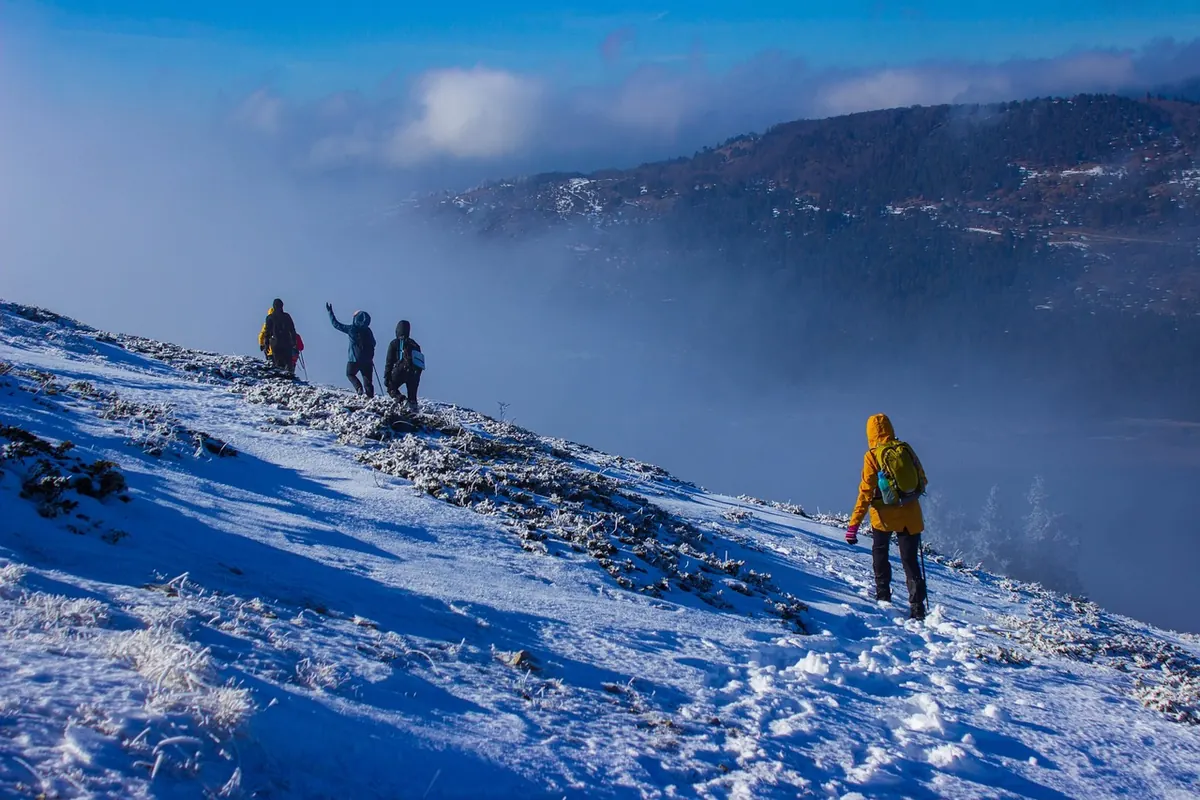
Photo: ali_kizildag / Pixabay
Related Articles